
SD3770 Tangible Interfaces
Course Description
This subject invites you to look beyond flat screens, and design interactions through physical actions, objects, and spaces. Tangible Interface explores how digital information can extend beyond the screen, becoming something people can pick up, move, arrange, touch, and share.
Interfaces do not have to remain static. Imagine an object that changes shape, texture, or stiffness in response to different situations, helping people understand information, guiding action, or making interaction more expressive. Here, physical form does more than hold technology. Physical form does more than hold technology. It helps people notice information, understand how to act, and experience interaction through their hands and bodies.
Through case studies, workshops, and prototype-making, you will create interactive works that can be experienced, tested, and exhibited. The focus is not on complex technology, but on using design to make digital experiences more intuitive, playful, and connected to the body and the senses.
Learning Objectives:
Students will develop the ability to design, prototype, and communicate tangible interactive systems through material, mechanical, and electronic approaches, while critically evaluating the relationship between prototype behaviour, interaction, and user experience.
Offering Time and Eligibility:
Semester 1; open to all Year 3 and Year 4 students in the School of Design.
Grading:
Attendance 10%; Workshops & Assignments 60%; Mini-Project 30%.
Modules

Module 1: Basic Concept
-
One lecture introduces the fundamental concepts and design principles of tangible interaction.

Module 2: Transformation as A Design Material
-
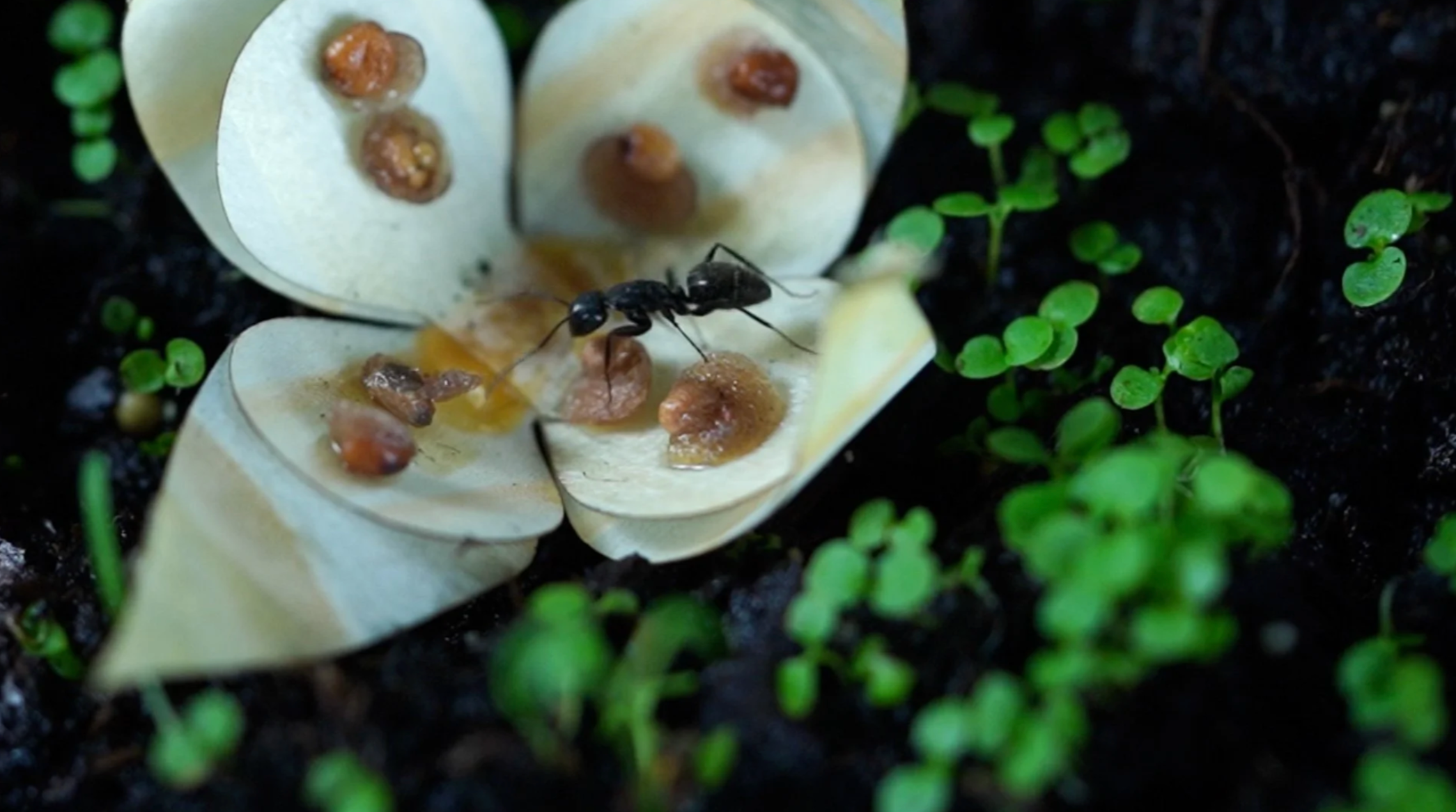
Two lectures introduce physical transformation as a design material, covering design spaces, transformation behaviours, and perceptual concepts such as metaphor and affordance.
-
Two workshops provide hands-on experience in designing, prototyping, and evaluating servo-actuated linear shape-changing interfaces and pneumatically actuated shape-changing interfaces, applying the design methods and knowledge introduced in the lectures.
Module 3: Sensing the Physical World
-
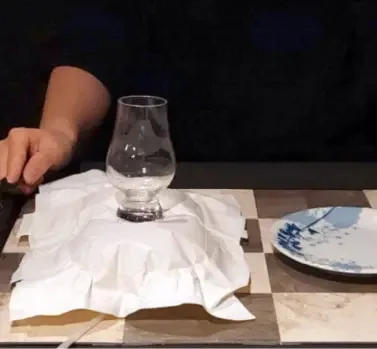
Two lectures introduce electronic and material-based sensing approaches and explore how environmental stimuli can be identified, interpreted, and integrated into the design process of tangible interfaces.
-
Two workshops introduce the design and prototyping of thermally and humidity-triggered shape-changing interfaces, enabling students to explore material-based approaches to responsive interaction.
Module 4: Computing the Physical Word
-
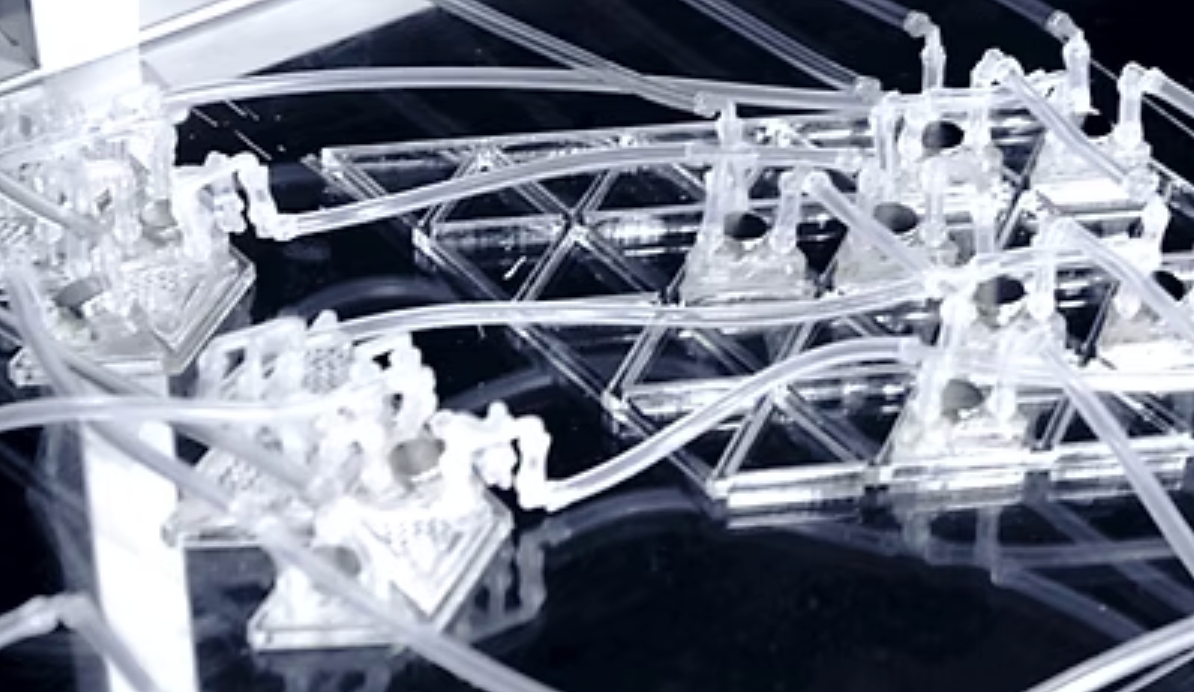
One lecture explores material computation and physical intelligence, examining how decision-making can be embedded within materials, structures, and physical systems rather than conventional digital computation.
-
One workshop provides hands-on experience in designing and prototyping tangible interfaces enabled by physical computation, applying concepts of material computation and physical intelligence introduced in the lecture.
Module 5: Mini Project
-
Three short lectures introduce methods for idea development, solution development, implementation strategies, and the documentation of design and prototyping processes.
-
Four tutorial sessions provide structured guidance and technical support throughout the mini project development process.