
SD5512 Prototyping and Script
Course Description
Prototyping is indispensable to interaction designers for evaluating their designs, and for collecting feedbacks from users to understand and improve their interactive experience towards those designs. In contemporary design practice, prototypes are increasingly expected to go beyond visual mock-ups and become functional systems that can operate, respond, and demonstrate the intended interactive experience. This subject aims at introducing basic concepts, theories, techniques and components for constructing working interactive prototypes. Key knowledge areas will involve personal and digital fabrication, mechanical mechanisms for physical interaction, microcontroller-based interactive systems with sensors and actuators, programming and AI-assisted development, as well as integration of AI capabilities such as large language models, computer visions, and speech technologies into interactive systems. Students will be introduced to methods and tools for developing functional interactive prototypes, and will make use of them to realize simple interactive systems to understand how different technical components are integrated.
Learning Objectives:
Upon completion of this course, students will be able to identify, analyze, and prototype AI-integrated interactive systems using digital fabrication and (vibe-)coding techniques, while applying analytical and systems thinking.
Offering Time and Eligibility:
Semester 2; available to students enrolled in the ISD Master's programme.
Grading:
Attendance 10%; Workshops & Assignments 60%; Mini-Project 30%.
Modules
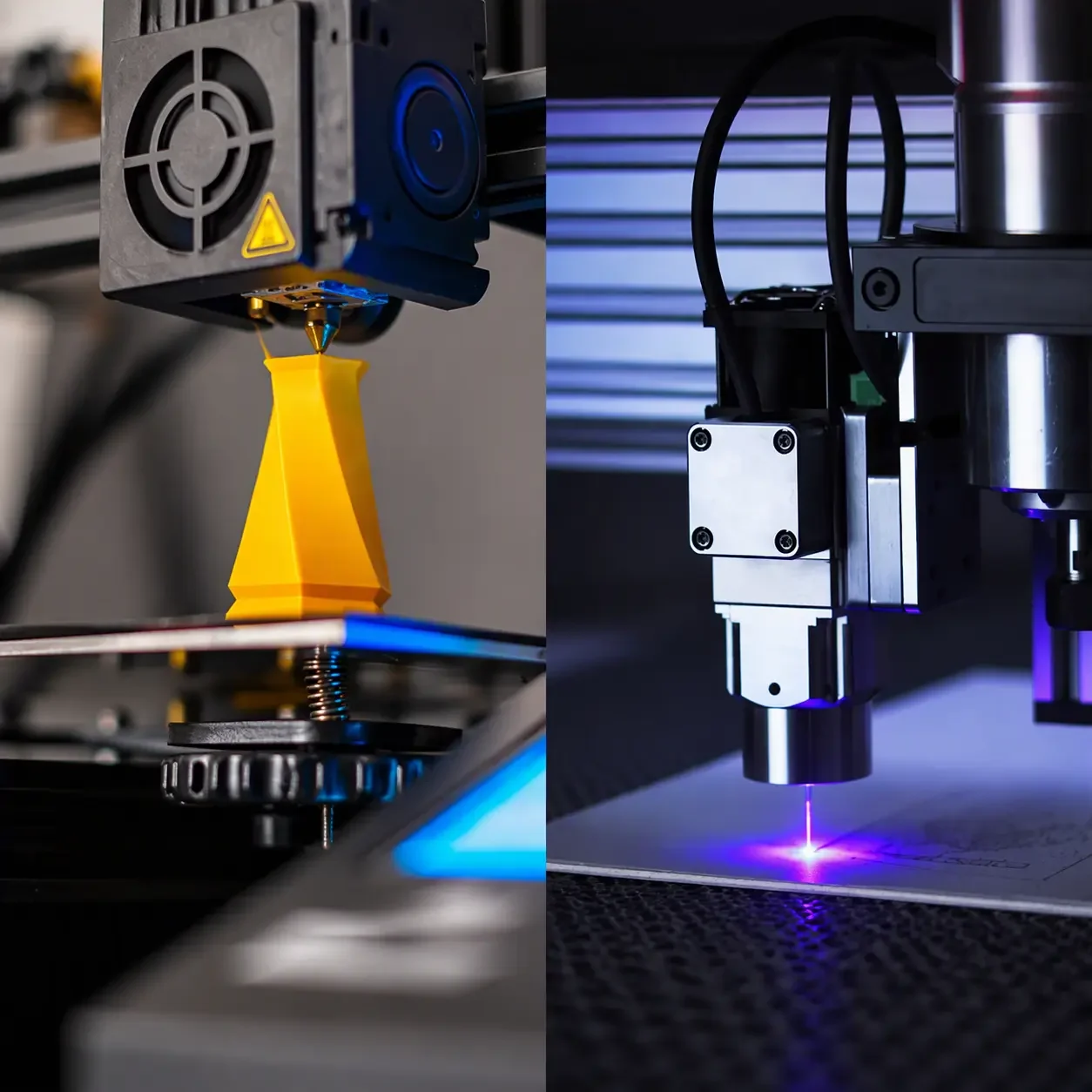
Module 1: Fabrication
-
Two lectures introduce foundational and emerging methods in personal fabrication.
-
Two hands-on workshops: one on FDM-based 4D printing and another on laser cutting.

Module 2: Mechanisms
-
Two lectures cover the basic principles of mechanisms and mechanical systems.
-
Two workshops provide hands-on experience in designing, assembling, and evaluating basic mechanical mechanisms for interactive systems.
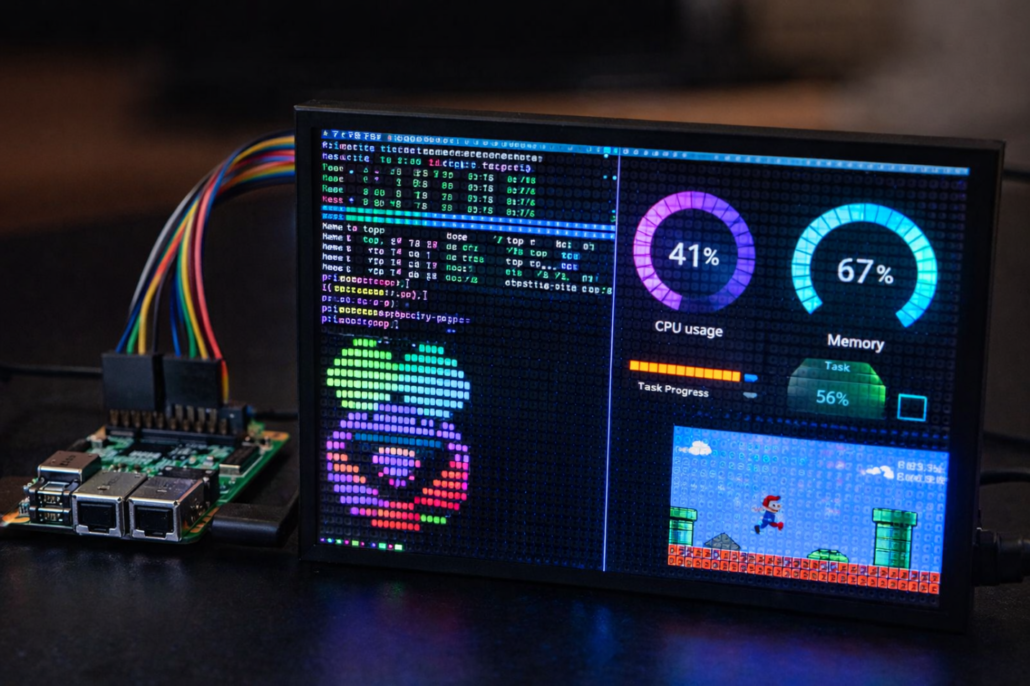
Module 3: Adv. Interaction tech.
-
One lecture explores advanced interaction technologies and prototyping techniques using Arduino.
-
One workshop guides students in prototyping advanced interactive systems with Arduino, sensors, and actuators.
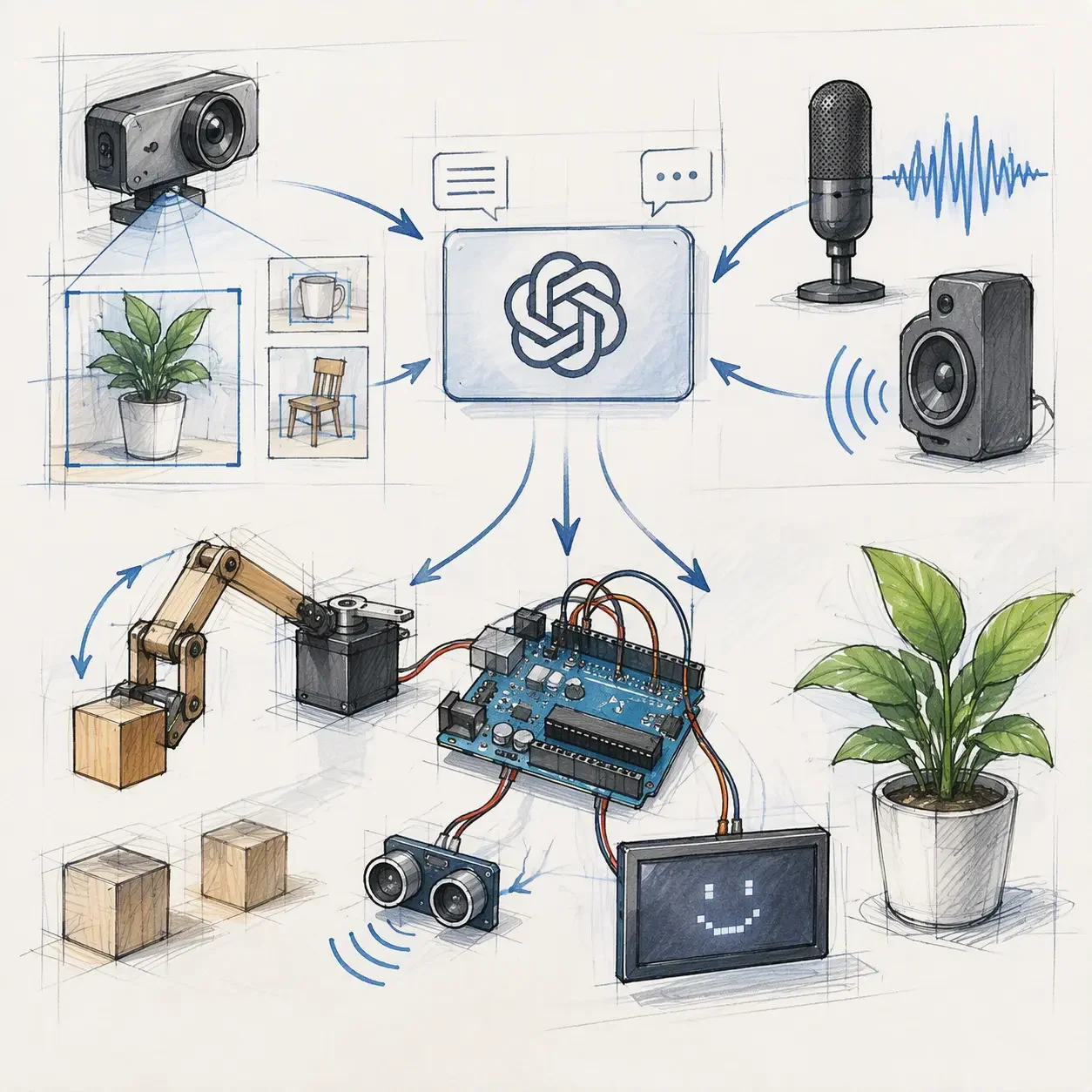
Module 4: AI Intergration
-
Three lectures introduce key AI technologies for interactive systems, including computer vision, speech recognition and synthesis (speech-to-text/text-to-speech), and large language models (LLMs).
-
Three workshops provide hands-on practice in integrating AI models and services into interactive system prototypes.

Module 5: Mini Project
-
Two lectures introduce methods for idea development, academic project reporting, and the documentation of design and prototyping processes.
-
Three tutorial sessions provide structured guidance and technical support throughout the mini project development process.